

Preserving Green Spaces in Bangalore: The Battle Over Land Allocation
- biopark bangalore
- Apr 13, 2025
- 3 min read

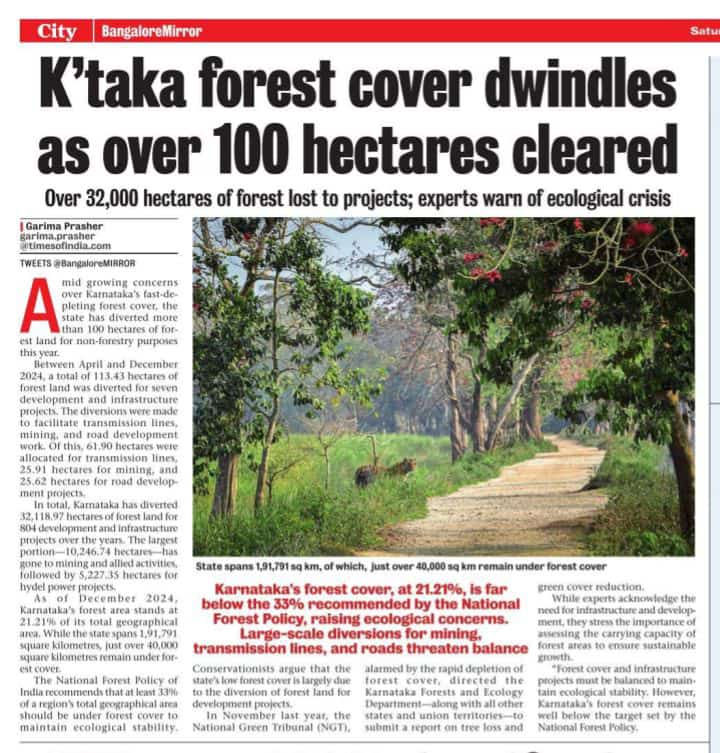
In the bustling city of Bangalore, a dispute has intensified over land use that could reshape its future. The Karnataka government is pushing for 25 acres of land for a new Skydeck project, while Bangalore City University is seeking an additional 50 acres for its campus. With Bangalore’s green spaces diminishing at an alarming rate, these proposed developments threaten to further erode the city’s precious natural environment. This post examines the implications of these demands and underscores the necessity of preserving Bangalore’s vital green lungs, especially the BioPak at Bangalore University.


Understanding the Context
Bangalore, often affectionately called the "Garden City," has a long-standing reputation for its lush parks and greenery. But rapid urbanization has exerted tremendous pressure on these natural resources. The BioPak within Bangalore University is a prime example of a space that protects local biodiversity and provides vital refuge for urban wildlife.
A 2019 study reported that Bangalore has lost about 35% of its green cover over the past two decades. As such, the land demands from the government and the university are deeply concerning. Residents who value Bangalore’s green heritage worry about the long-term impacts on flora, fauna, air quality, and community well-being.
Implications of Land Allocation
The push for a Skydeck and campus expansion poses significant risks to the ecological integrity that the BioPak supports. Allocating 25 acres for the proposed Skydeck and 50 acres for the university’s expansion would result in the loss of a significant green area.
This loss transcends mere land; it impacts local ecosystems, air quality, and the physical and mental health of residents. The BioPak serves as a habitat for endemic species and plays a crucial role in regulating the urban ecosystem.
The consequences of destroying this habitat could be severe. Studies indicate that urban areas with more green spaces experience up to a 60% reduction in heat compared to areas with fewer plants. For a city already facing rising temperatures and deteriorating air quality, conserving urban greenery is vital.
Pressure on University Syndicate
The university's decision-makers are facing intense pressure to cede land for development, bringing into question the balance between progress and environmental stewardship.
If the university agrees to these demands, it sets a dangerous precedent for future encroachments on green spaces throughout Bangalore. History shows that once green areas are developed, regaining them is an uphill battle. This fight is not simply about conserving land; it is about maintaining the city's ecological heritage for generations.

The Fight for Preservation
Residents, students, environmental activists, and concerned citizens are rallying to defend the BioPak. This movement emphasizes the need for a balanced approach to development that respects urban nature. Engaging the community is essential, as public support can significantly sway decision-makers.
People can participate in raising awareness through social media campaigns, organizing community meetings, and signing petitions. Every voice counts, and highlighting the potential long-term impacts of sacrificing green spaces can make a difference.

United for Green Spaces
The heightened demands for land from the Karnataka government and Bangalore City University present a serious threat to the BioPak and to the green spaces that define Bangalore’s character. As members of this community, we must stand up for the preservation of these essential areas. The fight is not merely about trees and wildlife; it is about ensuring a healthy and sustainable environment for everyone.
Protecting green spaces in Bangalore is not just beneficial for nature; it enhances air quality, provides recreational spaces, and fosters community interaction. As we face the complexity of urban expansion, let's commit to safeguarding our natural heritage for future generations. Together, we can ensure that Bangalore remains a green oasis amidst its urban landscape.

Comments